
Garage Door Service Requests
Emergency Garage Door Repairs: Describe the Symptom, We Match the Technician
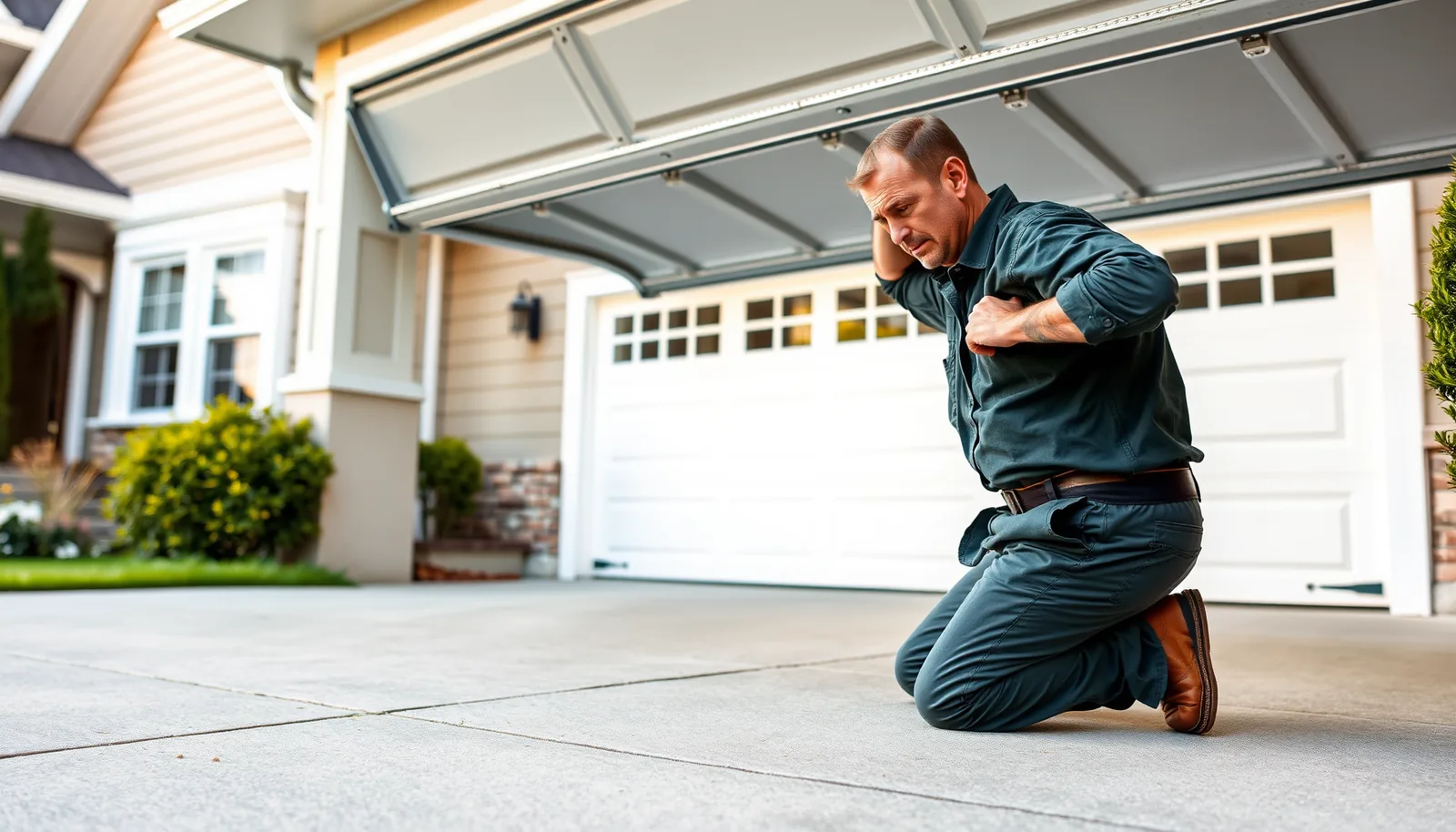
A garage door usually tells you exactly what failed before it stops moving — a loud bang from above the door, a cable hanging slack, an opener that runs while the door stays put. Emergency Garage Door Repairs turns that symptom into a repair visit. You describe the problem through the service request form on our contact page, and we match the request with a garage door technician prepared for that specific fix. The more precisely you read the symptom, the faster the right repair happens.
Start With the Symptom
What is the door doing?
Start With What the Door Is Telling You
Most garage door failures announce themselves. Before you submit a request, take thirty seconds to note exactly what the door is doing — that one detail points the technician at the right hardware.
- A loud bang, then the door will not lift: the torsion spring on the shaft above the door has likely snapped. Look up from a safe distance — a broken torsion spring shows a visible gap in the coil, often about two inches wide. Do not touch it.
- The door rises a few inches and stops: the opener's force limit is sensing the full weight of the door, which usually means the springs are no longer carrying their share.
- The motor runs but nothing moves: the trolley carriage may be disengaged from the rail — often because someone pulled the red release cord — or the opener's drive gear has stripped.
- The door reverses before it closes: the photo-eye sensors mounted about six inches off the floor on each side are blocked, dirty, or knocked out of alignment. A blinking sensor LED is the usual giveaway.
What a Single Service Request Can Cover
Requests come in for the full range of residential and commercial door hardware:
- Springs — torsion springs on the shaft above the header, or extension springs stretched along the horizontal tracks on older doors.
- Cables — the lift cables that wind onto drums at each end of the torsion shaft; a frayed cable is a failure in progress, not a cosmetic issue.
- Openers — chain, belt, and screw-drive units, including trolley carriages, stripped gears, and logic boards.
- Track and rollers — bent vertical track, doors that have jumped the track, and worn steel or nylon rollers.
- Panels, sensors, and keypads — dented sections, misaligned photo eyes, and remotes or keypads that stopped pairing.
You do not have to name the part. Describe the symptom, and the technician confirms the exact repair on site — needs vary by door, spring size, and hardware age.
Why a Failing Door Should Not Wait
A sectional garage door commonly weighs 130 to 350 pounds, and the springs — not the opener — do almost all of that lifting. The opener mostly guides the door. When one part of that balance system fails, the load shifts onto parts never sized for it: a snapped torsion spring forces the opener to drag dead weight and can strip its gear, and a frayed cable that lets go can drop one corner of the door without warning. A door stuck open also leaves the garage exposed to weather and anyone walking by, which is why emergency garage door problems are our focus.
Safety warning: torsion springs, lift cables, and the bottom brackets they anchor to are under extreme tension even when the door is not moving. Never unbolt, adjust, or test them yourself, and do not pull the release cord to force open a door with a broken spring. Leave the door where it sits and submit a request.
How the Request Process Works
Every job starts the same way: the service request form on our contact page. We work entirely through the website.
- Describe the problem. Include the sound it made, where the door stopped, and any blinking lights. A photo of the spring or cable area, taken from a safe distance, helps too.
- Submit the request. We match it with a garage door technician suited to that type of repair and get the visit scheduled.
- The technician assesses on site. Because repair needs vary by door and hardware, the final scope is confirmed in person before work begins.
While you wait, stick to the safe checks: wipe the photo-eye lenses with a dry cloth, swap the remote battery, and look — without touching — for frayed cable strands near the bottom of the door. Everything under tension belongs to the technician.
Learning Library
Understand your door before you repair it
Frequently Asked Questions
What details make a service request faster to act on?
The symptom specifics: what sound the door made, where it stopped, whether the opener light blinked, and whether you can see a gap in the spring coil above the door or a cable hanging loose. A note like "loud bang, door lifts two inches and stops" points straight at a broken torsion spring, so the technician arrives prepared for that repair instead of diagnosing from zero.
My opener runs but the door does not move. Is that an opener problem or a door problem?
Often it is the door. If the motor and rail move but the door stays down, check whether the red release cord was pulled — the trolley carriage may simply be disengaged from the opener. If the trolley is connected and the door still will not lift, a broken spring or snapped cable is the likely cause, and that is technician-only work. Describe both symptoms in your request.
Can I keep using the door until the technician arrives?
Not if a spring or cable has failed. The opener is not built to lift the door's full weight — sectional doors commonly weigh well over a hundred pounds — and forcing it can strip the drive gear or bend the top panel. Leave the door in its current position, keep people and vehicles clear of the opening, and note the door's position in your request.